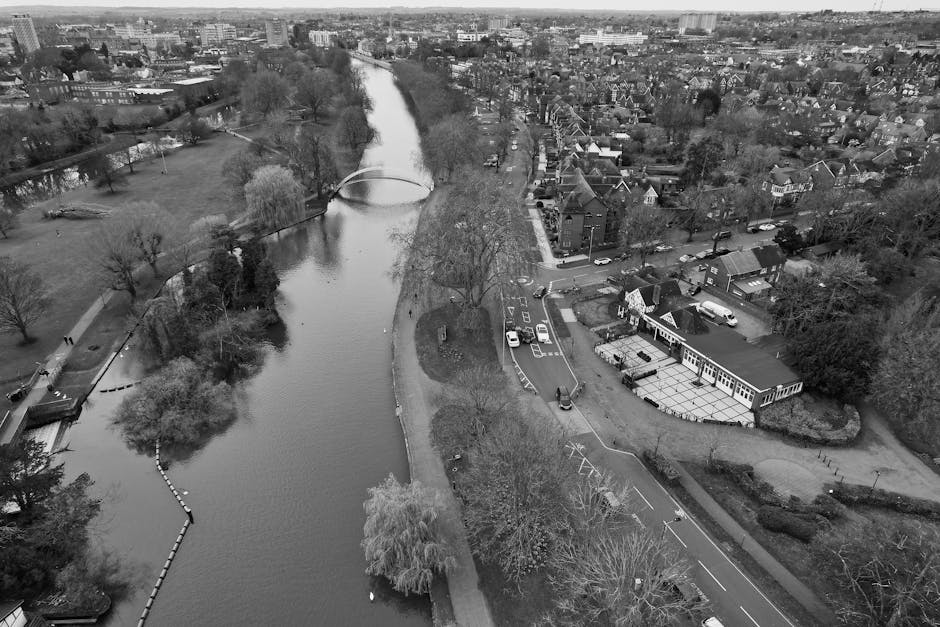
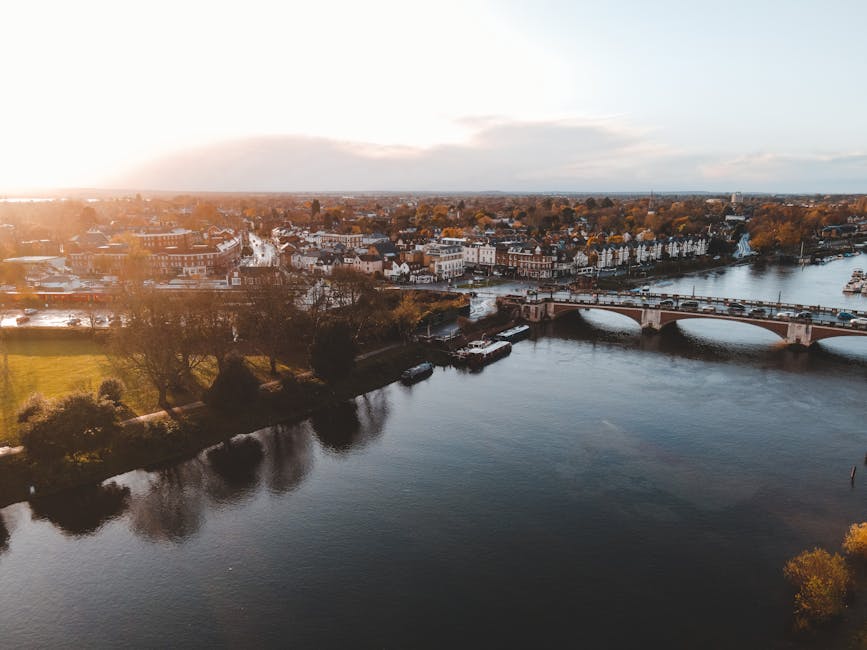
Staines gardeners for riverside properties near Staines Bridge
If you own or manage a riverside property near Staines Bridge, you already know the garden has its own personality. It can look beautiful on a calm morning, with the light off the river and the planting sitting soft against the water, but it can also be tricky. Damp ground, gusty winds, shaded borders, faster weed growth, and seasonal debris all make upkeep a little more demanding than a standard suburban garden. That is exactly where Staines gardeners for riverside properties near Staines Bridge can make a real difference.
This guide explains what specialist local garden care looks like, why riverside sites need a different approach, and how to choose maintenance that protects both the appearance and the long-term health of your outdoor space. You will also find practical steps, common mistakes, and a checklist you can use before booking work. If you are comparing options, a good place to begin is the services overview and, if you want to understand the people behind the work, the about us page.
Truth be told, riverside gardens can be some of the loveliest in Staines. They can also be the quickest to show neglect. One missed season and suddenly the border is overrun, the lawn is patchy, and the edging looks tired. The good news? With the right plan, that is very manageable.
Table of Contents
- Why Staines gardeners for riverside properties near Staines Bridge Matters
- How Staines gardeners for riverside properties near Staines Bridge Works
- Key Benefits and Practical Advantages
- Who This Is For and When It Makes Sense
- Step-by-Step Guidance
- Expert Tips for Better Results
- Common Mistakes to Avoid
- Tools, Resources and Recommendations
- Law, Compliance, Standards, or Best Practice
- Options, Methods, or Comparison Table
- Case Study or Real-World Example
- Practical Checklist
- Conclusion
- Frequently Asked Questions
Why Staines gardeners for riverside properties near Staines Bridge Matters
Riverside gardens near Staines Bridge face conditions that are subtly different from inland properties. That may sound obvious, but the difference shows up in everyday maintenance. Moisture lingers longer after rain, breezes can dry out exposed planting faster than you expect, and the river setting often means more leaf litter, algae on hard surfaces, and general seasonal mess. On top of that, access can be awkward if the garden backs onto a narrow path, terrace, or sloped bank.
That mix of conditions affects everything: lawn care, pruning timing, drainage, planting choice, and even how often beds need clearing. A gardener who understands riverside conditions will usually look at the garden as a living system rather than a quick tidy-up job. That matters because the wrong approach can create more work later. For example, overwatering already damp borders can encourage soft growth and fungal issues, while cutting back shrubs too hard at the wrong time can leave them exposed to wind scorch. Not ideal.
There is also the visual side. People often want a riverside garden to feel relaxed, refined, and in keeping with the setting. The best results usually come from a balance of structure and softness: clean lines, reliable maintenance, and planting that moves well in the breeze rather than fighting it. When that balance is right, the garden feels calm even on a busy day.
Practical takeaway: riverside garden care is not just about keeping things neat. It is about choosing maintenance that suits damp, windy, and high-visibility conditions without creating extra repair work later.
How Staines gardeners for riverside properties near Staines Bridge Works
At a practical level, good riverside garden care starts with assessment. A gardener will usually look at the site layout, soil condition, drainage, sun exposure, planting style, and how the garden is used day to day. A small courtyard near the river needs a different plan from a larger family garden with a lawn and planting borders. No surprise there, but it is easy to skip this step and then wonder why the results are patchy.
Once the site is understood, the work usually falls into a few broad areas:
- Routine maintenance: mowing, edging, weeding, pruning, hedge care, and seasonal tidy-ups.
- Plant health support: deadheading, selective cutting back, mulching, and replacing plants that are not suited to local conditions.
- Hard surface care: clearing debris from patios, paths, and steps where dampness may make moss or algae more noticeable.
- Border management: keeping planting balanced so it does not become too dense, top-heavy, or wind-blown.
- Access-aware work: planning the job safely where tools, waste removal, or water access are less straightforward.
Because river-adjacent gardens often need a careful, measured touch, a good gardener will not just "hack things back" and leave. They will shape the work around the season, the weather, and the condition of each area. That means knowing when to cut, when to leave growth in place, and when to wait for a better window. Gardening is patient work. Slightly annoying sometimes, but patient.
For clients who want a broader view of what can be included, the garden services overview is a helpful starting point. If you are concerned about safe working practices, especially around wet surfaces or awkward access, you may also want to look at the health and safety policy and insurance and safety information.
Key Benefits and Practical Advantages
Choosing experienced local garden care for a riverside property is not just about convenience. It can improve the garden's performance and reduce the amount of time you spend dealing with preventable problems.
1. Better plant choices for the local microclimate
Near the river, the microclimate can be cooler, wetter, or more exposed than nearby streets. That affects plant selection. A practical gardener will steer you towards planting that can handle those conditions instead of forcing borderline-suitable species to survive. That usually means fewer replacements and a more stable look across the year.
2. Less waterlogging and root stress
When soil stays wet for too long, roots struggle to breathe. It is one of those problems people don't see immediately. The border still looks green until suddenly it does not. Regular garden care helps identify compaction, poor drainage, or planting that sits in the wrong place.
3. Safer outdoor spaces
Riverside properties often have steps, patios, decked areas, or path edges that need extra attention because moss and wet leaf build-up make surfaces more slippery. Regular maintenance helps reduce risk, which is useful for family homes, rental properties, and hospitality or managed spaces alike.
4. A more polished first impression
Let's face it, people notice a garden before they notice the rest of the property. For a home near Staines Bridge, where the setting itself already carries visual appeal, a tidy and well-shaped garden can lift the whole feel of the place. It does not have to look formal. It just needs to look cared for.
5. More predictable seasonal work
Instead of the classic "everything has exploded at once" problem in late spring, regular maintenance spreads the work more sensibly. That is easier on the garden and easier on the budget too. Often, that is the bit people appreciate most.
| Area of care | General garden need | Riverside-specific consideration |
|---|---|---|
| Lawn maintenance | Mowing, feeding, edging | Watch for damp patches, moss, and softer ground after rain |
| Planting | Seasonal colour and structure | Choose plants that tolerate exposure, moisture, and wind |
| Hard surfaces | Cleaning and clearing | More frequent leaf, algae, and silt build-up |
| Pruning | Shape and control growth | Wind exposure makes poor pruning decisions more obvious |
| Garden waste | Removal and disposal | Wet green waste can be heavier and more awkward to handle |
Who This Is For and When It Makes Sense
This kind of service makes sense for a wide range of property owners and managers, but the reasons differ a bit.
- Homeowners: if you want the garden to look good without spending every weekend fixing small problems.
- Landlords: if the property needs to stay presentable between tenancies or for inspections.
- Busy families: if the outside space matters but time is tight.
- Second-home owners: if you are not always in Staines to spot issues early.
- Hospitality or professional premises: if kerb appeal and tidy presentation matter to guests or clients.
It also makes sense if the garden has already started to drift. You know the kind of thing: the rosemary is leaning into the path, the back border has gone a bit wild, and there are three weeds that seem to have formed a committee. At that stage, a local gardener can often restore order faster than you could by tackling it in bits and pieces.
If you are still weighing up whether professional support is worth it, take a look at pricing and quotes. That gives you a better sense of how work can be scoped before you commit. No guesswork, which is always nice.
Step-by-Step Guidance
If you are approaching riverside garden care properly, the best results usually come from a simple, structured process. Here is the approach I would recommend.
- Walk the garden after rain and in dry weather. You will notice different issues. Wet patches, slippery paths, and pooled water often hide when the weather is dry.
- Identify the high-priority areas. Focus first on safety, drainage, access points, and anything that affects plant survival.
- Separate "tidy" from "repair." A tidy-up can make the space look good quickly, but worn turf, compacted soil, or wrong plant choices need a different plan.
- Set seasonal tasks. Spring, summer, autumn, and winter all bring different jobs. Riverside gardens usually benefit from more frequent light visits rather than occasional heavy ones.
- Choose a maintenance rhythm. Weekly, fortnightly, or monthly visits can all work, depending on the size and complexity of the space.
- Review after the first cycle. After one or two visits, check whether the garden feels calmer and easier to manage. If not, the plan may need adjusting.
A small but useful tip: keep a note of what changes after wet weather. A border that seemed fine in July may turn into a muddy edge by November. That kind of detail is exactly what a good gardener will pay attention to.
Expert Tips for Better Results
The best riverside gardens usually share a few traits. They are not necessarily expensive or elaborate. They are simply designed and maintained with the setting in mind.
Use planting that can move with the site, not against it
Plants that look brittle in wind often need too much intervention. Softer, more resilient planting tends to age better near open water. The goal is not perfection. It is stability.
Mulch wisely
A good mulch can help retain moisture in drier spots and suppress weeds, but on already damp ground too much can become messy or trap too much moisture. Context matters. A lot. More than people think.
Cut back at the right pace
Hard pruning all at once can leave gaps that look stark from the river or bridge side. A more measured approach usually keeps the garden looking intentional while allowing plant structure to remain intact.
Watch edges and transitions
Riverside gardens often feel best when the transition from lawn to border, or from patio to planting, is clean and deliberate. Edges are small things, but they change how polished the whole garden feels.
Plan for what visitors see first
If the front or river-facing side of the garden is the most visible, give that area the most attention. That is where a little restraint pays off. Clean lines, healthy planting, and a clear route through the space go a long way.
It sounds simple, but a lot of garden stress comes from trying to do too much. Sometimes less is the clever choice. Slightly boring advice, perhaps, but true.
Common Mistakes to Avoid
Riverside garden maintenance tends to go wrong in predictable ways. Knowing them ahead of time can save a fair bit of frustration.
- Ignoring drainage: if water sits in one area, trimming around it will not fix the underlying issue.
- Choosing plants only for appearance: pretty in the nursery is not the same as resilient near the river.
- Overworking the soil: repeated foot traffic on damp ground can compact it quickly.
- Leaving seasonal tidy-ups too long: a little leaf litter turns into a bigger job fast, especially after windy spells.
- Pruning without a plan: uneven cutting can make visible gardens look untidy for months.
- Assuming all "gardeners" offer the same service: they do not. Local knowledge and site awareness really matter.
One of the more common mistakes is treating a riverside property like a standard suburban plot. It just is not. The setting changes the work. Once you accept that, decisions become clearer and usually cheaper in the long run.
Tools, Resources and Recommendations
You do not need an enormous toolkit to keep a riverside garden in good shape, but a few sensible tools and habits make life much easier.
Useful tools for routine upkeep
- Sharp secateurs for clean pruning cuts
- A reliable mower suitable for the lawn size
- Long-handled edging tools for tidy borders
- Stiff brushes for paths and patio surfaces
- Gloves that still give you enough grip when damp
- Heavy-duty bags or containers for green waste
Useful habits
- Check the garden after heavy rain.
- Clear leaves before they become soggy mats.
- Inspect path edges and steps for slippery build-up.
- Keep notes on what grows strongly and what keeps failing.
- Book maintenance before the garden looks out of control.
If you prefer a managed service rather than DIY, you can compare options through the services overview and confirm how booking, payment, and scheduling are handled via payment and security. For many people, that reassurance is worth a lot. Nobody wants surprises on the admin side.
Law, Compliance, Standards, or Best Practice
Garden maintenance near a river does not usually involve heavy regulation for the average homeowner, but there are still important standards and common-sense duties to keep in mind. If work involves access challenges, wet surfaces, ladders, power tools, or waste handling, the work should be carried out with proper care and suitable risk awareness. That includes clear communication about what is being done, what areas are being treated, and any safety concerns on site.
For example, if a garden borders slippery paving, unstable edges, or awkward steps, the approach should reflect that. Good practice is to avoid rushing, keep pathways clear during work, and use appropriate protective equipment where needed. In shared or managed properties, it is also sensible to document what maintenance has been done and when, especially if contractors, tenants, or residents use the space.
Environmental care matters too. Responsible disposal of green waste, minimal disturbance to wildlife where possible, and sensible use of materials are all part of good gardening practice. If that side of things matters to you, the recycling and sustainability page is a useful reference point.
For any service provider, you would reasonably expect transparent terms, clear communication, and a proper route for raising concerns if something goes wrong. That is why it can be helpful to read the terms and conditions and complaints procedure before work begins. It is not glamorous, no, but it is part of a trustworthy service.
Options, Methods, or Comparison Table
Different properties need different levels of support. This comparison can help you decide what is likely to fit your garden best.
| Approach | Best for | Strengths | Limits |
|---|---|---|---|
| DIY upkeep | Small, simple gardens with plenty of time available | Low direct cost, full control | Can be inconsistent; easier to miss early warning signs |
| Occasional tidy-up visits | Gardens that mostly behave but need periodic reset | Good for seasonal control and catch-up work | May not solve recurring damp, weed, or shape issues |
| Regular maintenance plan | Riverside properties that need consistent care | More stable appearance, easier problem prevention | Requires ongoing commitment |
| Project-based improvement | Gardens needing redesign, renovation, or planting change | Good for long-term improvement | Takes more planning and usually a bigger budget |
For many riverside homes near Staines Bridge, a combination approach works best: regular maintenance for the basics, plus occasional improvement work when the garden starts to drift. That tends to be the sweet spot. Not flashy, just effective.
Case Study or Real-World Example
Here is a realistic example based on a type of job that comes up often. A riverside townhouse near Staines Bridge had a neat front approach but a back garden that had become uneven over the course of one wet season. The lawn was patchy, the border closest to the waterlogged corner was crowded, and the patio edge had picked up a green film that made it look dull and slightly slippery.
The first visit focused on clearing the obvious issues: leaf build-up, overgrown stems, and the worst of the surface mess. After that, the garden was assessed again in dry weather. That second look mattered, because the damp patch near the rear boundary was more of a drainage and soil-structure issue than a plant problem. A few plants were moved, some that disliked wet soil were replaced, and the maintenance rhythm was changed to lighter but more regular visits.
Within a couple of cycles, the garden looked calmer and less tired. Nothing dramatic. Just better balanced. The lawn improved where the soil was not continually compacted, and the patio became easier to keep on top of because the debris never had a chance to settle for too long. That is the sort of change many riverside owners want: not a complete transformation every week, but a garden that starts behaving itself again.
Practical Checklist
Use this checklist before booking or reviewing work on a riverside property near Staines Bridge.
- Have I checked how the garden changes after rain?
- Are there slippery paths, steps, or edges that need attention?
- Do I know which areas get the most wind, shade, or moisture?
- Are the plants suited to the local conditions?
- Is there a maintenance rhythm in place, or is work only happening when the garden becomes a problem?
- Is green waste being removed responsibly?
- Have I asked about insurance, safety, and the scope of work?
- Do I know what is included in the quote and what is extra?
- Have I looked at the provider's trust pages and service information?
- Is there a clear way to ask questions or raise a concern if needed?
If you are comparing providers, it is also worth checking the accessibility statement and privacy policy, especially if you are dealing with property management or shared household information.
Conclusion
Riverside gardening near Staines Bridge is not about perfection. It is about thoughtful, consistent care that respects the setting. Damp ground, changing light, exposed planting, and visible river-side frontage all shape what the garden needs. The best Staines gardeners for riverside properties near Staines Bridge will understand that and work with it, not against it.
Whether you need regular maintenance, a one-off tidy-up, or help steadying a garden that has got away from you a bit, the key is choosing a service that knows how to read the site. Get the basics right, keep an eye on seasonal changes, and the space will usually reward you with far less drama. Which, in gardening, is a win.
Get a free quote today and see how much you can save.
If you are ready to talk through your property's needs, the next sensible step is to review the available garden services and make contact through contact us. A short conversation now can save a lot of muddle later.
Frequently Asked Questions
What makes riverside gardens near Staines Bridge different from other gardens?
They are usually more exposed to moisture, wind, and seasonal debris. That changes how lawns, borders, drainage, and hard surfaces behave, so maintenance has to be more responsive and a bit more careful.
Do riverside properties need more frequent gardening visits?
Often, yes. Not always, but often. Smaller, more regular visits tend to work better than infrequent heavy tidy-ups because they prevent growth and debris from building up too much.
Can a gardener help with slippery paths and patios?
Yes, to a point. Regular clearing of algae-prone or debris-covered surfaces helps a lot. If the issue is structural or persistent drainage-related, that may need a more specific solution.
How do I know if my plants are suitable for a river-facing garden?
A good rule of thumb is to look at whether they cope well with damp soil, wind exposure, and changing light. If the same plants keep struggling every year, they may simply be in the wrong spot.
Is regular maintenance better than one-off tidy-ups?
For most riverside properties, regular maintenance is better because it prevents the garden from slipping into a cycle of catch-up work. One-off visits can still be useful, especially after winter or before an event.
What should I ask before booking a gardener for my property?
Ask what is included, how often they recommend visits, whether they handle waste removal, how they approach safety, and whether they are familiar with damp or exposed sites. Clear answers are a good sign.
Are there any safety issues with garden work near the river?
There can be, especially around wet surfaces, steps, edges, and awkward access. That is why it helps to choose a provider that takes safety seriously and works methodically rather than rushing.
Can gardening help improve the look of a property near Staines Bridge?
Absolutely. A well-kept garden can make a property feel calmer, brighter, and more cared for. Near the river, that effect is even stronger because the setting naturally draws the eye.
What should I do if my garden gets waterlogged after heavy rain?
Do not keep compacting the soil by walking on it more than necessary. Let the area dry where possible, observe which spots hold water, and have the drainage or planting assessed before assuming it is just a seasonal issue.
How can I keep maintenance costs under control?
Stay ahead of problems with regular light care, be clear about priorities, and avoid waiting until everything has become overgrown. That is usually the most cost-effective way to manage a riverside garden.
Where can I find more information about booking and service details?
You can review the pricing and quotes page for practical booking information, then use contact us if you want to discuss the garden in more detail.
What if I have a complaint or need clarification after work has started?
It helps to use the provider's published process, which is usually the quickest way to get a clear answer. You can also check the complaints procedure and terms and conditions so you know where you stand.