Same day gardeners in Staines for urgent lawn rescue
If your lawn has suddenly gone from "a bit tired" to properly stressed, you are not alone. Heavy rain, a burst of weekend use, pets digging, mower mishaps, or a fast-spreading patch of weeds can all turn into an urgent mess very quickly. That is exactly where same day gardeners in Staines for urgent lawn rescue become useful. You need calm, practical help, not a lecture about how it should have been caught earlier.
In this guide, we will walk through what urgent lawn rescue actually involves, how same-day garden support tends to work, what problems can be fixed fast, and when it makes more sense to book a broader visit. We will also cover sensible expectations on timing, costs, tools, and best practice so you can make a clear decision without faffing about.
Truth be told, lawns can look dreadful for a while and still be recoverable. The trick is knowing what can be improved immediately and what needs a longer repair plan.
Table of Contents
- Why Same day gardeners in Staines for urgent lawn rescue Matters
- How Same day gardeners in Staines for urgent lawn rescue Works
- Key Benefits and Practical Advantages
- Who This Is For and When It Makes Sense
- Step-by-Step Guidance
- Expert Tips for Better Results
- Common Mistakes to Avoid
- Tools, Resources and Recommendations
- Law, Compliance, Standards, or Best Practice
- Options, Methods, or Comparison Table
- Case Study or Real-World Example
- Practical Checklist
- Conclusion
- Frequently Asked Questions
Why Same day gardeners in Staines for urgent lawn rescue Matters
A lawn problem often starts as a small patch and then snowballs. A soaked corner becomes compacted by foot traffic, the grass blades flatten, weeds get a head start, and suddenly the whole front garden looks neglected. In a place like Staines, where gardens often do a lot of visual work for the home, that matters more than people think.
Urgent lawn rescue is not always about making the lawn perfect in one visit. More often, it is about stopping the decline. If the grass is too long, matted, rutted, or choked by clippings and debris, a same-day gardener can restore order before the damage becomes harder and more expensive to fix.
There is also a practical side. A lawn in poor condition can become slippery, messy around paths, and awkward to use. If you are expecting visitors, preparing a rental property, managing a sale, or simply tired of looking out at chaos, speed matters. Sometimes you just need the place to look cared for again. Simple as that.
Expert takeaway: the best urgent lawn rescue jobs do three things well: reduce immediate damage, restore a tidy appearance, and create a clear next step for longer-term recovery.
For readers who need a broader view of services beyond lawns, it can help to look at the wider services overview and compare what is best for the state of the garden overall.
How Same day gardeners in Staines for urgent lawn rescue Works
Same-day work is usually designed around speed and triage. In plain English, that means the gardener first identifies what needs fixing right now, then does the most effective work available within the time window. Not every lawn rescue needs a full renovation, and not every problem can be solved in one afternoon.
A typical urgent visit often starts with a quick assessment. The gardener may look at grass height, moisture levels, obvious turf damage, weed pressure, edging, moss, and whether the lawn is safe to mow or scarify. If the ground is too soft, they may adjust the plan rather than forcing a machine over it and making things worse. That judgement call matters.
Depending on conditions, the work may include:
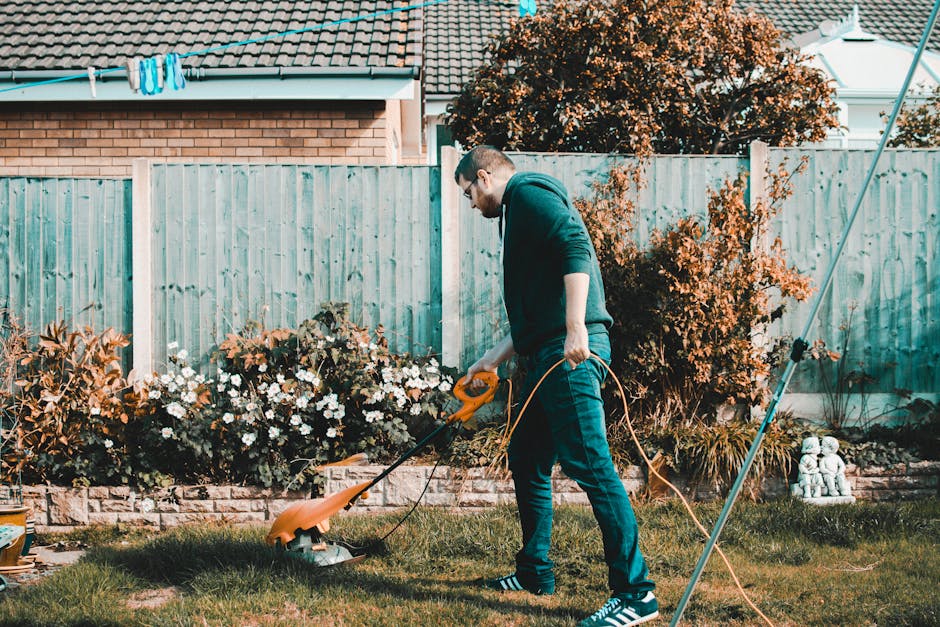
- careful mowing or strimming
- border and edge tidy-up
- removal of fallen branches, leaves, or clippings
- light weeding or surface clearance
- basic redefinition of lawn edges
- advice on what can wait and what should not
Sometimes an urgent lawn rescue overlaps with other services. A garden that looks overwhelmed may need help with adjacent hedges, access routes, or clutter around the borders. In those cases, related services like lawn mowing, garden maintenance, or even garden clearance can form part of the plan.
And yes, timing can be tight. Same-day usually means the day you enquire, or at least a rapid visit arranged for the nearest possible slot. It does not always mean immediate arrival in the next ten minutes, unless you have somehow caught the gardening equivalent of a fire drill. Which, to be fair, happens more than you'd expect after a storm weekend.
Key Benefits and Practical Advantages
The strongest reason to book urgent garden help is not just speed. It is the combination of speed and damage control. Once you see the lawn as a living surface rather than a patch of decorative green, the benefits become easier to understand.
- Fast visual improvement: even a rough lawn can look significantly better after trimming, edging, and debris removal.
- Less long-term damage: early intervention can prevent compaction, turf smothering, and weed takeover.
- Safer outdoor space: a cleared and levelled lawn is easier to walk on and less likely to hide trip hazards.
- Better recovery conditions: once the surface is tidy, the lawn has a better chance of bouncing back.
- Reduced stress: there is something very calming about seeing the garden back under control.
A more subtle benefit is decision clarity. When a skilled gardener looks at the lawn in person, they can usually tell you what is worth doing now and what would be wasted effort. That kind of honesty saves money. It also stops people from over-treating a lawn that simply needs patience.
If the wider garden is part of the problem, same-day support may also lead naturally into trimming, shaping, or clean-up work. For example, overgrown hedges can block light and leave grass patchy, while larger landscaping issues can make drainage or access worse. In those cases, services such as hedge trimming and landscaping may be useful next steps rather than afterthoughts.
Who This Is For and When It Makes Sense
Same-day lawn rescue is not just for dramatic garden disasters. It is for anyone who needs the lawn turned around quickly and sensibly. The best fit tends to be one of these situations:
- Last-minute hosting: you have guests arriving and the garden looks rough.
- Property presentation: a sale, letting, or inspection is coming up.
- Storm after-effects: branches, leaf litter, and damage have hit the garden overnight.
- Neglected lawns: the grass has got away from you and now needs a reset.
- Pet or play damage: a heavily used lawn has become muddy, torn, or patchy.
- Time-poor households: the lawn needs attention now, not next week.
It also makes sense if you want a professional view before you spend money on products or equipment. Not every lawn issue needs treatment straight away. Sometimes the real answer is mowing, drainage awareness, and a better maintenance rhythm. Sometimes it is more involved. A quick site visit helps separate the two.
That said, if the ground is waterlogged or the turf is actively falling apart, the smartest move may be to pause heavy work and focus on stabilising the area. A decent gardener should say so. If they do, that is usually a good sign, not a bad one.
For readers who want an introduction to the business behind the service, the about us page is useful for understanding the team and approach before you book anything.
Step-by-Step Guidance
If you are trying to handle an urgent lawn problem calmly, follow this order. It keeps things practical and avoids the common trap of doing too much too fast.
- Take a proper look at the lawn. Check whether the issue is mainly length, debris, weeds, bare patches, mud, or a mix of several things.
- Clear obvious obstacles. Move toys, furniture, pet items, and anything else that will get in the way of safe access.
- Do not mow wet, sinking turf. If the lawn is soft after rain, heavy mowing can mark it badly. Better to wait or let a professional judge it on site.
- Prioritise the visible problems. Edges, clumps of grass, and debris often make the biggest difference to first impressions.
- Ask for a quick assessment. A same-day gardener can tell you whether mowing, clearance, or maintenance is the right first step.
- Agree the immediate outcome. Be clear about what must be done today and what can wait until a second visit.
- Plan the follow-up. If the lawn is weak, patchy, or compacted, arrange longer-term care rather than assuming one rescue visit solves everything.
There is a small but important detail here: good urgent work often depends on what not to do. Overcutting the lawn, ripping through wet soil, or trying to "fix" every visible issue in one go can create a bigger problem. A restrained approach is usually better. A bit boring, yes. Also effective.
If the lawn rescue becomes part of a wider tidy-up, the garden may also benefit from seasonal pruning or branch removal. Related work such as tree lopping and removal can sometimes improve light, access, and general garden health, especially where mature trees are shading the lawn too much.
Expert Tips for Better Results
Here are the kinds of details that tend to make an urgent lawn rescue go smoother and look better on the day.
- Be honest about the current condition. If the lawn has not been touched for months, say so. It helps the gardener bring the right tools and time.
- Send clear photos before arrival. A couple of decent pictures in daylight can help with speed, especially if the issue is uneven or spread across the garden.
- Keep access easy. Open gates, clear narrow paths, and make sure tools can be brought in without a trek through the house.
- Ask what a same-day result realistically looks like. You want a tidy, healthier starting point, not a miracle in one cut.
- Allow for weather. A lawn after a wet spell may need a lighter touch than one in dry conditions.
- Use the rescue as a reset. Once the lawn is back under control, set a maintenance rhythm so you are not back in the same spot in two weeks.
A small local observation: a lot of gardens around Staines can look very different from one side to the other, simply because light and drainage vary so much. One corner may be lush while the other is claggy and bare. That's normal enough, annoying though it is.
If you want to stay ahead of repeat issues, a planned programme of garden maintenance is usually better value than constant emergency fixes. Emergency work gets you back on track; maintenance keeps you there.
Common Mistakes to Avoid
Urgent lawn jobs go wrong for a handful of predictable reasons. None of these are fancy. They are just the practical mistakes people make when they are in a hurry.
- Mowing too low: scalping the lawn weakens it and exposes the soil.
- Working on a soaked surface: wet turf marks easily and can compact underfoot or under machinery.
- Ignoring the edges: a lawn can be short yet still look messy if the borders are ragged.
- Trying to fix everything in one visit: some lawns need staged recovery, not an all-out assault.
- Skipping debris removal: leaves and clippings left behind can smother grass and encourage disease.
- Not planning aftercare: if the lawn was rescued but not maintained, the problem often returns fast.
Another common one: assuming every brown patch means the lawn is dead. Not always. Sometimes it is flattened, shaded, compacted, or simply hungry for proper care. A good gardener will not guess blindly. They will look, lift, and judge the condition carefully.
And yes, sometimes the issue is as simple as "the grass is too long and it has gone a bit wild." Happens to the best of us. Gardens are patient like that, right up until they are not.
Tools, Resources and Recommendations
For urgent lawn rescue, the right tools matter because they affect both speed and finish. A professional setup will vary, but the following are commonly useful.
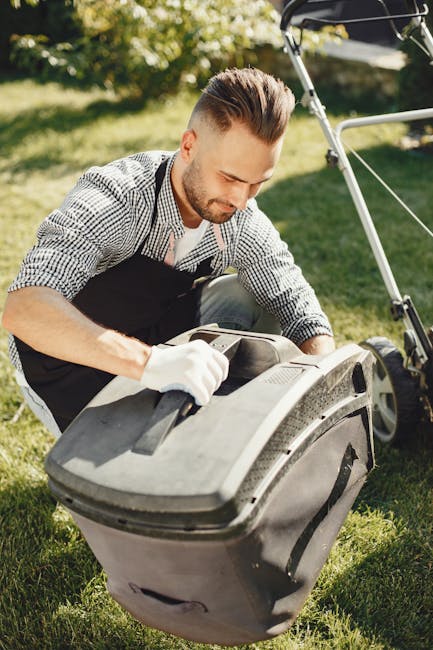
- Mowers: for controlled cutting and quick visual recovery.
- Strimmers or trimmers: useful around awkward edges, fences, and corners.
- Rakes and leaf tools: for lifting debris, cuttings, and loose thatch.
- Edging tools: for sharpening boundaries so the garden looks deliberate again.
- Wheelbarrows and bags: for moving waste quickly without spreading mess back across the lawn.
- Protective gear: gloves, eye protection, sturdy footwear, and weather-appropriate clothing.
From a homeowner point of view, the most useful "resource" is often a realistic brief. If you explain whether the priority is appearance, safety, or recovery, the gardener can make better decisions. That is especially helpful when the lawn is not just untidy but genuinely stressed.
For those comparing service value, the pricing and quotes page is a sensible place to understand how a professional job may be scoped. If you need the work done quickly, clarity about the job upfront tends to save everyone time.
There is one more practical recommendation: if the garden is full of cuttings, broken material, or general clutter, pair the lawn work with garden clearance rather than trying to separate everything into tiny tasks. It is usually more efficient, and less faff.
Law, Compliance, Standards, or Best Practice
For ordinary domestic lawn rescue, there is not usually a complicated legal process to worry about. Even so, good practice still matters. A responsible gardener should work safely, use equipment properly, and avoid creating hazards on your property.
In the UK, professional garden work is generally expected to follow sensible health and safety habits, especially when machinery, sharp tools, wet ground, or hidden obstacles are involved. That means looking out for trip risks, keeping bystanders clear, and not using equipment in a way that creates avoidable damage. A tidy result is good. A safe tidy result is better.
Trust also matters. If a contractor is operating in your space, it is reasonable to want reassurance that they take safety and process seriously. You can review details such as the company's health and safety policy, insurance and safety information, and terms and conditions before work begins.
Best practice is straightforward:
- work only when the lawn conditions are suitable
- protect the turf from unnecessary stress
- remove waste responsibly
- be clear about what is included in the visit
- give the customer honest expectations rather than overpromising
That last point matters a lot. A careful, realistic gardener is worth more than someone who promises a perfect lawn in 45 minutes and leaves you with tyre marks and regret. Not ideal, obviously.
Options, Methods, or Comparison Table
Not every urgent lawn issue needs the same response. This quick comparison should help you work out what level of help fits the problem.
| Option | Best for | Typical result | Limitations |
|---|---|---|---|
| Quick same-day tidy-up | Overgrown grass, messy edges, light debris | Immediate visual improvement and safer access | May not solve underlying lawn weakness |
| Targeted rescue plus maintenance | Lawns with mixed issues and repeat neglect | Cleaner look now, steadier recovery over time | Needs a follow-up plan |
| Clearance-first approach | Gardens with clutter, heavy leaf fall, or storm debris | Access restored so the lawn can be properly treated | Not a full lawn restoration by itself |
| Longer-term landscaping | Drainage issues, shading, layout problems, repeated turf failure | Structural improvement to the garden's future condition | Not ideal for urgent same-day presentation needs |
In many cases, the answer is a combination rather than a single service. A rescue visit might be followed by lawn mowing or broader garden work if the lawn is only part of the bigger picture. The key is matching the method to the actual problem, not the most dramatic one.
Case Study or Real-World Example
Picture a fairly ordinary Friday afternoon. A homeowner in Staines looks out and realises the front lawn has become patchy, the grass has shot up after a wet week, and clippings from a previous cut are still sitting in little matted clumps. Nothing catastrophic, but enough to make the place look tired and slightly neglected before weekend visitors arrive.
What happens in a sensible same-day rescue? The gardener arrives, checks the ground, and decides that a full heavy cut would be too aggressive because parts of the turf are still soft. Instead, the plan shifts to a lighter mow, edge tidy, and removal of loose debris. The borders get cleaned up so the space feels intentional again. The result is not a brand-new lawn. But it is tidy, safer, and presentable.
The important bit is what comes next. The gardener flags that the lawn will recover better if it is not cut too low again and if the lawn is kept on a steadier maintenance schedule. Maybe a little feeding later, maybe some targeted repair, maybe just better regular mowing. No drama, just sensible next steps.
That is the realistic version of lawn rescue. Not magic. Just good judgement, decent timing, and a bit of experience.
Practical Checklist
Use this before you book or before the gardener arrives. It keeps the visit efficient and helps you get a better result.
- Check the lawn in daylight so you can see the real condition.
- Note whether the ground is wet, soft, or uneven.
- Clear toys, furniture, hosepipes, and pet items from the area.
- Take two or three photos if you need fast advice.
- Decide whether the priority is appearance, recovery, or safety.
- Ask what can realistically be achieved on the same day.
- Confirm whether debris removal is included.
- Ask what maintenance should follow after the rescue.
- Keep gates and access routes open where possible.
- Save the service details for the next visit so the lawn does not slide backwards again.
One small thing, but useful: if you are going to be out during the appointment, leave a clear note about access and any awkward spots. It saves a lot of back-and-forth and, frankly, a surprising amount of time.
Get a free quote today and see how much you can save.
If you are ready to move from stressed-out lawn to something far more manageable, the next step is straightforward: compare the immediate issue, decide what level of rescue you need, and ask for help before the damage spreads. A fast response now can spare you a longer, messier repair later. And that, really, is what good garden help is for.
Conclusion
Same-day lawn rescue is about more than speed. It is about getting a damaged or overwhelmed lawn back to a workable state before it drags the whole garden down with it. In Staines, where many gardens are part of the home's first impression and everyday life, that can make a genuine difference.
The best results come from clear priorities, sensible expectations, and a gardener who knows when to move fast and when to be cautious. If you remember nothing else, remember this: a rescue visit should stabilise the lawn, improve the appearance, and set up the next step. That is the sweet spot.
Sometimes the garden just needs a proper reset. A bit of care, a bit of honesty, and a fresh start. It's nice when that happens.
Frequently Asked Questions
How fast can same day gardeners in Staines for urgent lawn rescue usually arrive?
That depends on the schedule, location, and the urgency of the job. Same-day usually means a visit arranged for the same calendar day, but it may still be a few hours rather than immediate. A quick response is the aim.
Can a badly overgrown lawn really be rescued in one visit?
Often, yes, at least visually. A heavily overgrown lawn can usually be cut back, edged, and cleared to look much better. If the turf is damaged or weak, though, it may need follow-up care as well.
What should I do before the gardener arrives?
Clear the lawn of toys, furniture, pet items, and loose obstacles. If possible, send photos in advance and let the gardener know whether the ground is wet or soft. That helps them plan the visit properly.
Is urgent lawn rescue the same as regular lawn mowing?
Not quite. Lawn mowing is one part of it, but urgent rescue often includes additional work such as debris removal, edging, light clearance, and a quick assessment of what the lawn needs next.
What if the lawn is soggy after rain?
A soggy lawn needs caution. Heavy machinery can damage the turf and leave marks. A professional gardener should judge whether a lighter touch is safer or whether certain work should be delayed.
Do I need a full garden clearance if only the lawn looks bad?
Not always. If the issue is mainly grass height or a messy surface, a targeted lawn rescue may be enough. If there is a lot of debris, broken material, or general clutter, garden clearance can be the better starting point.
How much does same-day gardening usually cost?
Costs vary depending on the job size, urgency, access, condition of the garden, and what needs to be included. The best approach is to request a tailored quote rather than guessing from a generic figure.
Can urgent lawn work fix bare patches or moss?
It can improve the lawn's condition, but bare patches and moss usually need more than a same-day tidy. The initial visit can prepare the lawn for longer-term repair, but it may not fully solve those issues in one go.
Should I cut the grass myself before booking help?
Only if the lawn is safe and dry enough to mow without causing damage. If it is very long, wet, or uneven, it is often better to leave it and let the gardener assess it first. A bad cut can make the rescue harder.
What makes a good urgent lawn rescue service?
A good service gives honest advice, works safely, improves the look of the lawn quickly, and tells you what to do next. Speed matters, but judgement matters too. Probably more, if we are being fair.
Can lawn rescue be combined with other garden work?
Yes. In many cases, the lawn is only part of the problem. Trimming hedges, clearing debris, or even broader landscaping work may make the overall result much better. It depends on the garden and the time available.
How do I know whether I need emergency help or just routine maintenance?
If the lawn has become unsafe, visually unacceptable for an event, or is deteriorating quickly, urgent help makes sense. If the lawn is simply due for its regular cut and tidy, planned maintenance is usually enough.
Where can I find more about the company and its service standards?
You can review the company background on the about us page and check practical information such as payment and security and the recycling and sustainability page. That gives a clearer picture of how the service is handled.