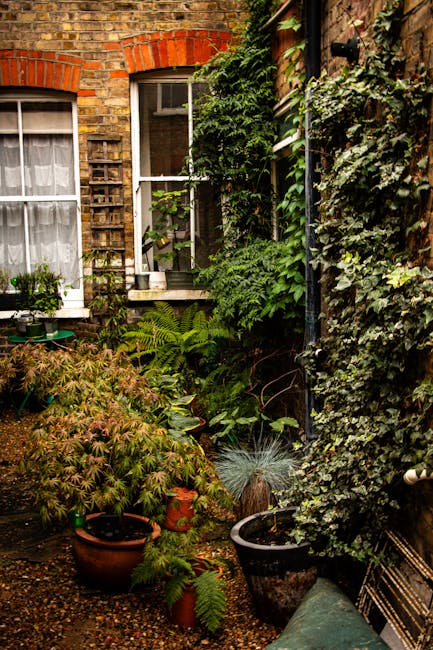
Elmsleigh Centre gardeners for Staines courtyard gardens
If you live or work near the Elmsleigh Centre and your outdoor space is more courtyard than lawn, you already know the challenge: it has to look good, stay tidy, and still feel welcoming, even when space is tight. That is exactly where Elmsleigh Centre gardeners for Staines courtyard gardens come into their own. Courtyard gardens need a different approach from larger suburban plots. They are compact, often shaded part of the day, and every plant, pot, and paving edge has to earn its place.
This guide explains how professional courtyard garden care works in Staines, what good maintenance looks like, and how to choose the right level of help for a small but important outdoor space. We will cover practical planning, common mistakes, compliance and safety considerations, and a few real-world ideas that can make a courtyard feel calmer, greener, and much easier to live with. Truth be told, small gardens can be the most demanding ones - but they can also be the most rewarding.
Table of Contents
- Why Elmsleigh Centre gardeners for Staines courtyard gardens Matters
- How Elmsleigh Centre gardeners for Staines courtyard gardens Works
- Key Benefits and Practical Advantages
- Who This Is For and When It Makes Sense
- Step-by-Step Guidance
- Expert Tips for Better Results
- Common Mistakes to Avoid
- Tools, Resources and Recommendations
- Law, Compliance, Standards, or Best Practice
- Options, Methods, or Comparison Table
- Case Study or Real-World Example
- Practical Checklist
- Conclusion
- Frequently Asked Questions
Why Elmsleigh Centre gardeners for Staines courtyard gardens Matters
Courttyard gardens around Staines often sit in awkward but useful places: behind retail units, beside flats, in shared access spaces, or tucked into small residential properties near the town centre. They may not be large, but they are visible. People notice them from a window, a doorway, or a seating area. And because the area is compact, any neglect shows quickly.
That is why specialist courtyard care matters. A courtyard is not just a tiny garden. It is a micro-environment. Water drainage, container placement, paving safety, light levels, privacy, and planting choice all affect how well the space works. One bad decision - a thirsty plant in a shady corner, a blocked drain, a slippery patio - can affect the whole area.
For businesses and householders near Elmsleigh Centre, the goal is usually the same: make the space look cared for without making it fussy. A neat courtyard can improve first impressions, create a calmer atmosphere, and turn an otherwise forgotten corner into something genuinely useful. If the garden is part of a commercial frontage or a shared residential setting, consistency matters even more. A space like that can slip from smart to scruffy very quickly. A fortnight, sometimes less.
There is also a practical side. Small spaces are easier to damage if they are handled carelessly. Heavy foot traffic, deliveries, narrow access routes, or container overcrowding can compact soil and stress plants. Good gardeners understand how to work around those realities, not against them.
Expert summary: Courtyard gardening is about balance. You want structure, texture, and seasonal interest, but you also need low-fuss upkeep, safe access, and planting that survives real life rather than just looking good for a photo.
How Elmsleigh Centre gardeners for Staines courtyard gardens Works
Good courtyard garden care starts with an assessment. Not a dramatic one. Just a sensible look at what is already there, what is struggling, and what could be improved without overcomplicating the space. A professional gardener will usually begin by checking access, drainage, sunlight, existing planting, hard landscaping, and how often the area is used.
From there, maintenance is usually shaped around the layout. In a courtyard, the work often includes:
- clearing dead growth and leaf build-up
- refreshing pots and containers
- trimming back plants that are crowding paths or seating areas
- tidying edges and paving joints
- checking for weeds in cracks, borders, and containers
- adjusting planting for light, shade, and seasonal performance
- keeping the whole area visually balanced
If the courtyard is especially small, the work may be as much about editing as gardening. In other words, removing a few tired pieces can make the whole space feel better than adding more. That surprises people sometimes, but it is true. Less clutter, more calm.
Where ongoing care is needed, many property owners opt for a routine maintenance schedule rather than one-off rescue jobs. That can be a better fit for small spaces because courtyard gardens tend to show wear quickly: weeds after rain, moss on paving in shaded corners, and plants that outgrow their containers faster than expected.
Some gardens also benefit from broader support such as regular garden maintenance, lawn mowing where lawn space exists, or hedge trimming if the courtyard includes screening hedges or privacy planting. For more substantial changes, a planned approach through landscape gardening or wider landscaping may be the better route.
Key Benefits and Practical Advantages
A well-managed courtyard garden brings benefits that go beyond appearance. Yes, it looks nicer. That part is obvious. But the real advantages are more practical.
- Better use of limited space. Every square metre is visible and functional, so a tidy layout gives you more usable room.
- Less upkeep stress. A small garden can become surprisingly high-maintenance if planting is poorly chosen. Good design reduces that pressure.
- Improved safety. Clear pathways, clean paving, and reduced trip hazards matter in tight access spaces.
- Stronger first impressions. For businesses near Elmsleigh Centre, a neat courtyard can quietly support the overall look and feel of the premises.
- Better plant health. Matching the right plant to the right spot saves time, money, and frustration.
- More seasonal interest. A courtyard can feel lively all year with the right mix of evergreen structure and changing colour.
One of the less obvious benefits is emotional, honestly. Small gardens can change how a place feels. Even a simple courtyard with clean lines, fresh mulch, and a few well-placed containers feels restful. You notice the difference when you step outside with a cup of tea in the morning or walk past it in the evening light.
For owners considering a refresh, this is also where practical additions matter. A simple decked seating corner, for instance, may work well in some layouts, and decking services can be relevant where a raised or more defined surface would make the space more usable.
Who This Is For and When It Makes Sense
This kind of garden care suits a few different people and properties.
Homeowners with compact outdoor space
If your garden opens off a kitchen, hallway, or flat and feels more like a courtyard than a traditional garden, you will usually benefit from a gardener who understands structure and maintenance in small spaces. Courtyards need tidy edges, breathable planting, and a sensible plan for watering and pruning.
Landlords and managing agents
Courtyard gardens in rental or shared settings can become a problem if they are left unchecked. Overgrown planting, weeds in paving, and cluttered pots make the property feel poorly managed. Regular care helps keep standards steady. Nothing glamorous, just good property sense.
Businesses and mixed-use premises
For shops, offices, cafes, or buildings near the Elmsleigh Centre, a courtyard can be part of the customer experience. It may not be the headline feature, but it still contributes to the impression people carry away.
People who want design help, not just maintenance
Sometimes the space is technically fine but does not quite work. Maybe it feels too dark, too busy, or too exposed. In those cases, a blend of maintenance and thoughtful redesign can help. This is where a local team familiar with services overview options can be useful, especially if you are comparing routine care with a more involved update.
And when does it make sense to bring someone in? Usually when you can see any of these signs:
- the courtyard looks tired even after a quick tidy-up
- you keep dealing with weeds or moss in the same spots
- plants are dying because conditions are wrong for them
- the space feels cluttered or awkward to use
- you simply do not have the time to maintain it properly
Step-by-Step Guidance
If you are planning work on a Staines courtyard garden, a step-by-step approach keeps things manageable. It also helps you avoid spending money on changes that do not actually solve the problem.
- Assess the space honestly. Look at light, drainage, access, and how the courtyard is used day to day. Do you walk through it, sit in it, or just need it to look presentable?
- Remove the obvious clutter. Old pots, dead plants, broken planters, and tired accessories can make the whole area look neglected.
- Decide what should stay. Some mature plants or containers may have good structure even if the rest of the space needs a refresh.
- Sort the maintenance basics. Weed, prune, sweep, clean hard surfaces, and check for blocked drainage or standing water.
- Choose planting by conditions. Sun, shade, wind, and moisture levels matter more in small spaces than people expect.
- Build in structure. Use pots, edging, screening, or fixed features to make the space feel intentional.
- Set a simple maintenance rhythm. Weekly, fortnightly, or seasonal tasks keep the courtyard under control.
- Review after a few weeks. Small spaces reveal problems fast. Adjust early rather than letting them drag on.
A helpful rule of thumb: if you are unsure whether to keep something, ask whether it earns its place. That sounds a bit stern, but it works. Courtyards rarely benefit from "just one more thing".
If your garden has become heavily overgrown or full of unwanted material, a one-off tidy may need support from garden clearance. That can be especially useful before any new planting or hard landscaping work begins.
Expert Tips for Better Results
Courtyard gardens look simple from the outside. They are not always simple to get right. A few practical choices can make a big difference.
Use fewer plant types, but use them well
In a small garden, repetition often looks better than variety-for-the-sake-of-it. A controlled palette can make the space feel calmer and more deliberate. Three or four strong planting themes usually outperform a random mix of everything you liked at the nursery, which, let's face it, happens to a lot of us.
Think in layers
Try to include ground-level texture, mid-height planting, and a little vertical interest. Courtyards can feel flat if everything sits at one level. Climbing plants, wall planters, and neatly chosen containers can add depth without taking much room.
Respect the shade
Many courtyard spaces are partly shaded by surrounding buildings. That means the planting palette has to suit lower light levels. Shade-tolerant plants, sensible spacing, and careful watering usually matter more than exotic choice.
Keep surfaces easy to clean
In tight spaces, paving and decking are often doing a lot of work. Choose finishes that are practical as well as attractive. A beautiful surface that turns slippery every autumn is, frankly, a nuisance. Sometimes a cleaner, simpler finish wins.
Don't overcrowd containers
People often pack too many pots into a courtyard because they want instant impact. Then the space starts to feel cramped and difficult to walk through. Leave breathing room. Your garden will thank you for it.
Plan for watering reality
Containers dry out quickly, especially in sunny or sheltered spots. If no one is watering consistently, the planting plan needs to reflect that. Self-watering containers, drought-tolerant plants, or a simplified display can be more reliable than high-maintenance arrangements.
If your courtyard is also expected to support privacy or screening, hedge work may be relevant. A tidy boundary or well-kept screen can help shape the space without making it feel boxed in. In some cases, tree management is also important, especially where overhanging branches affect light or leaf drop. If that is part of the issue, tree lopping and removal should be considered carefully and only where appropriate.
Common Mistakes to Avoid
A lot of courtyard problems come from good intentions, just not quite the right ones.
- Choosing plants for appearance alone. A plant may look lovely at the garden centre and still be the wrong fit for shade, wind, or container life.
- Ignoring drainage. Water that sits around after rainfall can damage paving, roots, and the overall feel of the garden.
- Using too many small items. Tiny ornaments and too many pots can make a courtyard feel busy rather than stylish.
- Skipping regular maintenance. Small spaces do not hide neglect well. They reveal it quickly.
- Forgetting access routes. Courtyards often need to stay practical for bins, deliveries, maintenance, or daily movement.
- Over-pruning. Some people cut plants back hard in an effort to "tidy" them, then wonder why the garden looks bare for weeks.
One mistake that gets overlooked a lot is not thinking ahead seasonally. A courtyard can look brilliant in May and a bit sorry for itself by November if the structure is weak. Good planning keeps the space presentable through the duller months too. That is the real test, in my opinion.
Tools, Resources and Recommendations
You do not need a van full of equipment to care for a courtyard, but the right tools make the work faster and neater. For basic upkeep, gardeners often rely on hand tools, secateurs, pruning saws, a stiff broom, a rake, a watering can or hose setup, and containers that are robust enough for repeated movement.
For more involved work, additional resources may include:
- Seasonal planting plans. Useful for keeping the garden attractive through changing weather.
- Maintenance schedules. Helpful for property owners who want predictable upkeep.
- Waste and recycling planning. Particularly important if old soil, cuttings, or removed plants need responsible disposal.
- Safety and insurance checks. Important if work involves ladders, tree work, heavy lifting, or shared access areas.
If you are comparing service levels, it helps to understand what is already covered and what is not. Some people only need routine care. Others need a one-off reset first, then ongoing maintenance afterwards. The same space can need both, just at different times.
For clear pricing and scope discussions, it is sensible to review pricing and quotes early so you know whether you are looking at a quick tidy, a seasonal refresh, or a more structural update. If sustainability matters to you - and for many people it does - take a look at recycling and sustainability too. Small gardens generate less waste overall, but they still benefit from thoughtful disposal and material reuse.
Law, Compliance, Standards, or Best Practice
For most courtyard garden work, the legal side is not complicated, but it should still be taken seriously. If the space is shared, publicly visible, or part of a managed property, basic care and safety standards matter. If work involves tools, heights, heavy lifting, or awkward access, safe working practices should be in place.
In practical terms, that means checking things like:
- safe access for workers and residents
- clear walkways during the job
- appropriate handling of green waste
- care around fragile paving, lighting, or screens
- proper insurance for the work being carried out
Where tree work or larger clearance is involved, caution is especially important. Not every overhanging branch needs drastic action, and not every plant needs removing. Best practice is usually to solve the problem with the least disruptive method that still gives a lasting result. That sounds obvious, but it is often where people go wrong.
It is also sensible to look at the provider's own standards. Pages such as health and safety policy, insurance and safety, and the terms and conditions can help you understand how work is managed, what responsibilities sit where, and what to expect before any job starts. If you want more background on the business itself, about us is a good place to check the company's approach and values.
Options, Methods, or Comparison Table
Not every courtyard needs the same type of care. Sometimes the simplest option is best. Other times, a more structured redesign makes far more sense.
| Approach | Best for | Pros | Watch-outs |
|---|---|---|---|
| Routine maintenance | Courtyards that already work well but need regular tidying | Predictable, tidy, cost-effective | Won't fix poor layout or weak planting |
| One-off refresh | Spaces that have become tired, weedy, or overgrown | Fast visible improvement | Can slip back without follow-up care |
| Replanting and redesign | Gardens with shade issues, poor balance, or awkward use of space | Better long-term fit, more character | Takes more planning and usually more budget |
| Hard landscaping upgrade | Courtyards needing new structure, surfaces, or access changes | Strong visual impact, practical improvements | Needs careful specification and budgeting |
If you are not sure which route to choose, start with the problem, not the product. Are you dealing with weeds and litter, poor planting, or a layout that simply does not work? Once that is clear, the right solution usually becomes more obvious.
Case Study or Real-World Example
Here is a realistic example from the kind of work courtyard gardeners see all the time.
A small courtyard near the town centre had become a bit of a catch-all space. A couple of containers had died off, one hedge line had grown uneven, and the paving had picked up moss and leaf debris from a shaded corner. Nothing dramatic. Just enough to make the area feel untidy every time someone stepped outside.
The solution was simple, but not rushed. First, the old pots were removed and the paving was cleaned. Then the planting was thinned out rather than packed in, so the remaining plants had room to breathe. A few shade-tolerant replacements were added, and the hedge was trimmed back to give the courtyard a sharper outline. The final change was small but important: the seating area was left with a little more open space around it. That made the whole place feel calmer and easier to use.
By the end, the courtyard did not look flashy. It looked cared for. There is a difference. People noticed it more because it was quieter and cleaner, not because it shouted for attention. And that is often the right outcome for spaces like these.
Practical Checklist
Use this checklist if you are planning courtyard garden work in Staines and want to get the basics right.
- Is the space easy to walk through without squeezing past plants or furniture?
- Are the plants suited to the amount of sun or shade the courtyard gets?
- Do pots and containers have enough drainage?
- Are the paving and paths free from build-up, moss, or obvious trip hazards?
- Is there a simple plan for watering and seasonal upkeep?
- Does the layout feel balanced, or just crowded?
- Are any overgrown hedges, branches, or screens affecting light or access?
- Do you need a one-off reset before regular maintenance?
- Have you checked whether waste removal or recycling will be needed?
- Would a clearer maintenance schedule make the space easier to manage?
If you can answer most of those confidently, you are in a good place. If not, that is fine too. It just means the courtyard needs a more considered plan, not more guesswork.
Get a free quote today and see how much you can save.
Conclusion
Courtyard gardens around Elmsleigh Centre and wider Staines need a practical, thoughtful approach. They are too small for messy decisions and too visible for neglect. The best results come from clear structure, the right planting, regular care, and a willingness to simplify when the space starts feeling crowded.
Whether you are maintaining a private courtyard, improving a shared outdoor area, or making a business frontage look sharper, the goal is the same: create a space that feels easy to use and pleasant to look at, without turning it into a full-time job. A good courtyard does not need to be complicated. It just needs to be well judged.
And once it is sorted, you really do notice. The morning light sits better on the paving, the plants settle in, and the whole place stops asking for attention. That is the quiet win.
Frequently Asked Questions
What do Elmsleigh Centre gardeners for Staines courtyard gardens usually help with?
They usually help with tidying, planting, pruning, container care, paving clean-up, and small-scale improvements that make a compact courtyard look and work better. The exact mix depends on the space.
Are courtyard gardens harder to maintain than larger gardens?
Often, yes. They are smaller, but they show problems faster. A little weed growth, poor drainage, or overcrowding can change the look of the whole space very quickly.
How often should a courtyard garden be maintained?
That depends on how much it is used and how much planting it contains. Many small courtyards benefit from regular checks every few weeks, with seasonal work layered on top.
Can a courtyard garden work in shade?
Absolutely. Many do. The key is choosing shade-tolerant planting and avoiding designs that rely on lots of direct sun. Shade is not a deal-breaker, just a planning factor.
What is the difference between garden maintenance and garden clearance?
Garden maintenance is ongoing care: trimming, weeding, sweeping, and keeping things in order. Garden clearance is more of a reset, usually when a space has become overgrown or cluttered.
Do small courtyard gardens need professional landscaping?
Not always. If the layout works well, maintenance may be enough. But if the space feels awkward, dated, or difficult to use, landscaping can make a real difference.
How do I know if my courtyard needs replanting?
If plants keep failing, the space looks flat year-round, or the current planting no longer suits light and moisture conditions, replanting is usually worth considering.
Is decking a good idea in a courtyard garden?
It can be, especially where you want a seating area or a cleaner divide between surfaces. It needs to be specified properly, though, so it suits the access and maintenance needs of the space.
What should I ask before hiring a gardener for a courtyard?
Ask what is included, how waste will be handled, whether they understand compact spaces, and whether they can suggest practical improvements rather than just a quick tidy.
Will a courtyard garden need special drainage checks?
Often, yes. Small enclosed spaces can collect water or debris more easily, so drainage is worth checking if you notice puddling or damp patches after rain.
Can gardeners help make a courtyard feel more private?
Yes. Screening, hedge shaping, pot placement, and careful planting can all improve privacy without making the space feel boxed in.
What is the best first step if my courtyard has become overgrown?
Start with a clear-out and assessment. Remove dead material, cut back obvious problem growth, and then decide whether you need ongoing maintenance, clearance, or a more structured redesign.